Some accessories are easy to notice. Others become part of an outfit so naturally that you almost stop thinking about them. Silver jewelry tends to belong to the second group. It can catch the light, add a little texture, or give a simple outfit some personality without making the jewelry feel like the entire point of getting dressed.
That may be one reason silver continues to work across so many different styles. A polished silver chain can look completely at home with a crisp white shirt, while a darker, more textured piece can work just as well with denim, leather, or an oversized sweater. The material stays familiar, but the mood changes depending on the shape, finish, and way it is worn.
Color plays a big part in this. Silver has a cooler appearance than yellow gold, which makes it particularly easy to pair with white, gray, black, navy, and other muted colors. It can also create an interesting contrast against warmer shades. A rust-colored jacket, brown knit, deep burgundy dress, or earthy green outfit can look lighter and more balanced when paired with a little silver.
That does not mean silver has to be reserved for neutral wardrobes. One of its strengths is the way it can sit alongside stronger colors without competing with them. Think about a patterned dress with several colors already working together. Adding a simple silver necklace or a pair of silver earrings gives the outfit another detail without introducing yet another strong color.
The same idea works with prints. Floral patterns, stripes, checks, and abstract designs already provide plenty of visual information, so an accessory with a quieter metallic finish can complete the look without making it feel overworked. Silver does not necessarily need to match the outfit in an obvious way. Sometimes it works precisely because it does not try too hard to do so.
Everyday clothing benefits from this kind of flexibility. Most people are not dressing from scratch every morning. A favorite pair of jeans may appear several times a week, and the same black top might move from one outfit to another. Changing the jewelry is an easy way to make familiar clothes feel slightly different without rebuilding the entire wardrobe.
Silver is particularly useful for that reason. A thin chain can disappear into a casual outfit when that is what you want. A heavier bracelet or ring can become the small detail that gives the same outfit a completely different attitude.
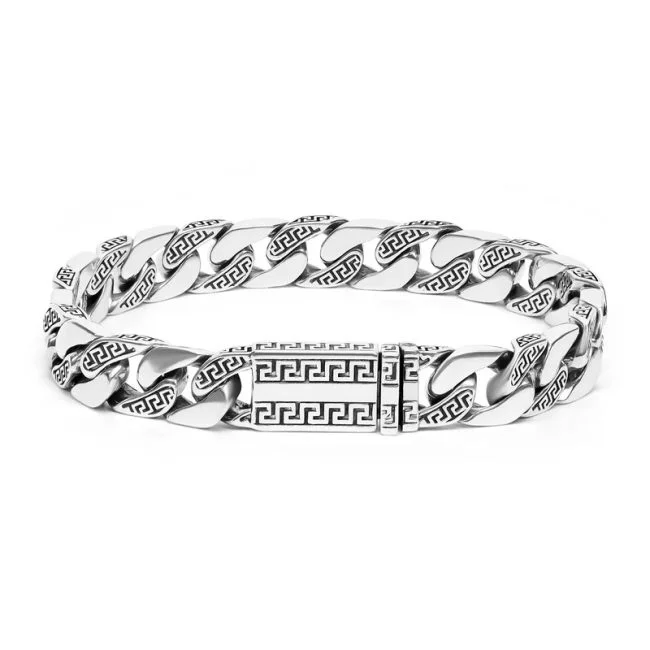
A Silver Bracelet Can Change a Simple Outfit
There are days when an outfit does not need another layer, another pattern, or another color. It just needs something with a little character. This is where a bracelet can make a surprisingly noticeable difference.
Consider a very ordinary combination: a plain T-shirt, jeans, and sneakers. There is nothing wrong with it, but it can sometimes look unfinished. Adding a silver bracelet introduces a small amount of shine and texture around the wrist without changing the basic simplicity of the clothes.
The shape of the bracelet matters more than people sometimes expect. A narrow chain has a lighter, more understated feeling, while a wider link bracelet immediately gives the outfit more presence. A hammered or textured finish can make a simple outfit feel more relaxed and handcrafted. Smooth, polished silver tends to look cleaner and more contemporary.
For men in particular, a silver bracelet can be an easy way to add personality without making an outfit feel overly styled. A denim jacket, plain T-shirt, chinos, and a substantial silver bracelet can work because none of the individual elements are particularly complicated. The bracelet simply adds another layer of texture.
For someone who prefers pieces with a little more character, a handcrafted sterling silver bracelet can bring texture and weight to an otherwise simple outfit. Small variations in surface, shape, or finish can make the piece feel less like an accessory chosen to complete a trend and more like something with its own personality.
The same principle works for women’s everyday outfits. A slim silver bracelet can sit alongside a watch, while several delicate bracelets can create a softer layered effect. The important part is not necessarily how many pieces are worn, but whether there is enough difference in scale or texture to keep the combination interesting.
A bracelet also changes depending on what surrounds it. Rolled-up shirt sleeves leave more space around the wrist and naturally draw attention to the accessory. A chunky knit creates a different relationship altogether, with the metal providing a harder, cleaner texture against the softness of the fabric.
This is why the best everyday jewelry does not necessarily have to be dramatic. Sometimes the most successful piece is one that becomes noticeable only when someone looks a little closer.
Rings Are Less Formal Than People Think
Rings are often associated with specific occasions. Engagement rings, wedding bands, and other symbolic pieces naturally come to mind first. But outside those traditions, rings can be one of the easiest forms of jewelry to incorporate into everyday clothing.
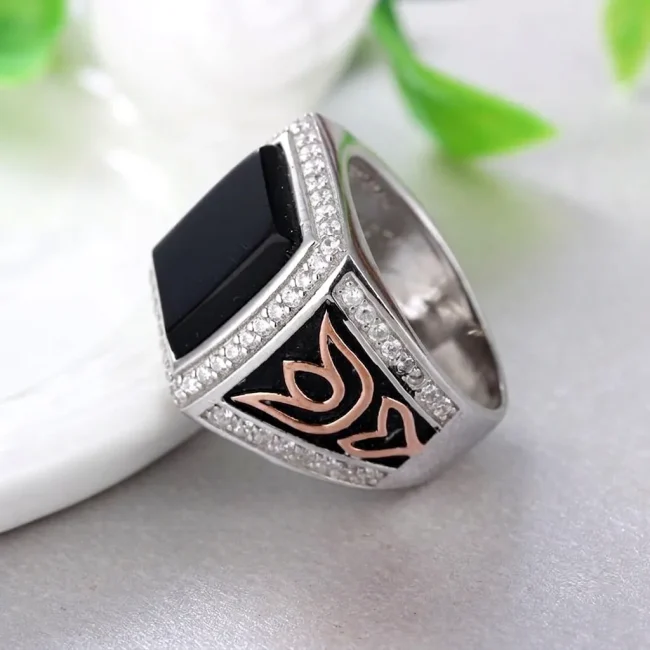
A simple silver band can be almost as versatile as a watch. A signet ring gives a more defined look, particularly when paired with denim, a button-down shirt, or a simple jacket. A ring with a darker stone can create more contrast, while a heavily textured silver surface can bring an older, more vintage feeling to otherwise modern clothes.
There is no need for every ring to match perfectly with the rest of an outfit. Slightly different pieces can often look more natural. A smooth band alongside a textured ring creates variation without making the hands look overly decorated.
Scale is worth considering, too. If the clothing is already loose and layered, a very delicate ring may disappear. On the other hand, a large statement ring can sometimes feel too heavy with a highly detailed outfit. Finding the middle ground usually comes down to looking at the whole silhouette rather than choosing the jewelry in isolation.
Silver rings also have an advantage when worn with casual clothing because they do not automatically make an outfit feel formal. A substantial ring with a faded denim jacket can look relaxed. The same ring might feel much sharper when paired with a tailored coat.
A dark stone set into silver can also change the mood of an outfit. Black, deep blue, or other darker tones create more visual weight, which can work especially well with black clothing, denim, leather, or neutral layers. It is a small detail, but one that can give a familiar outfit a stronger identity.
There is something appealing about this flexibility. Jewelry does not have to be divided into pieces for special occasions and pieces for ordinary days. A well-designed ring can move between both worlds, depending largely on what it is worn with.
That is where personal style becomes more interesting. Instead of asking whether a particular piece is technically suitable for an occasion, it can be more useful to ask whether it feels like something you would actually wear. A ring that becomes part of your everyday routine will probably say more about your style than a piece that only comes out once a year.
Necklaces Don’t Have to Be the Center of Attention
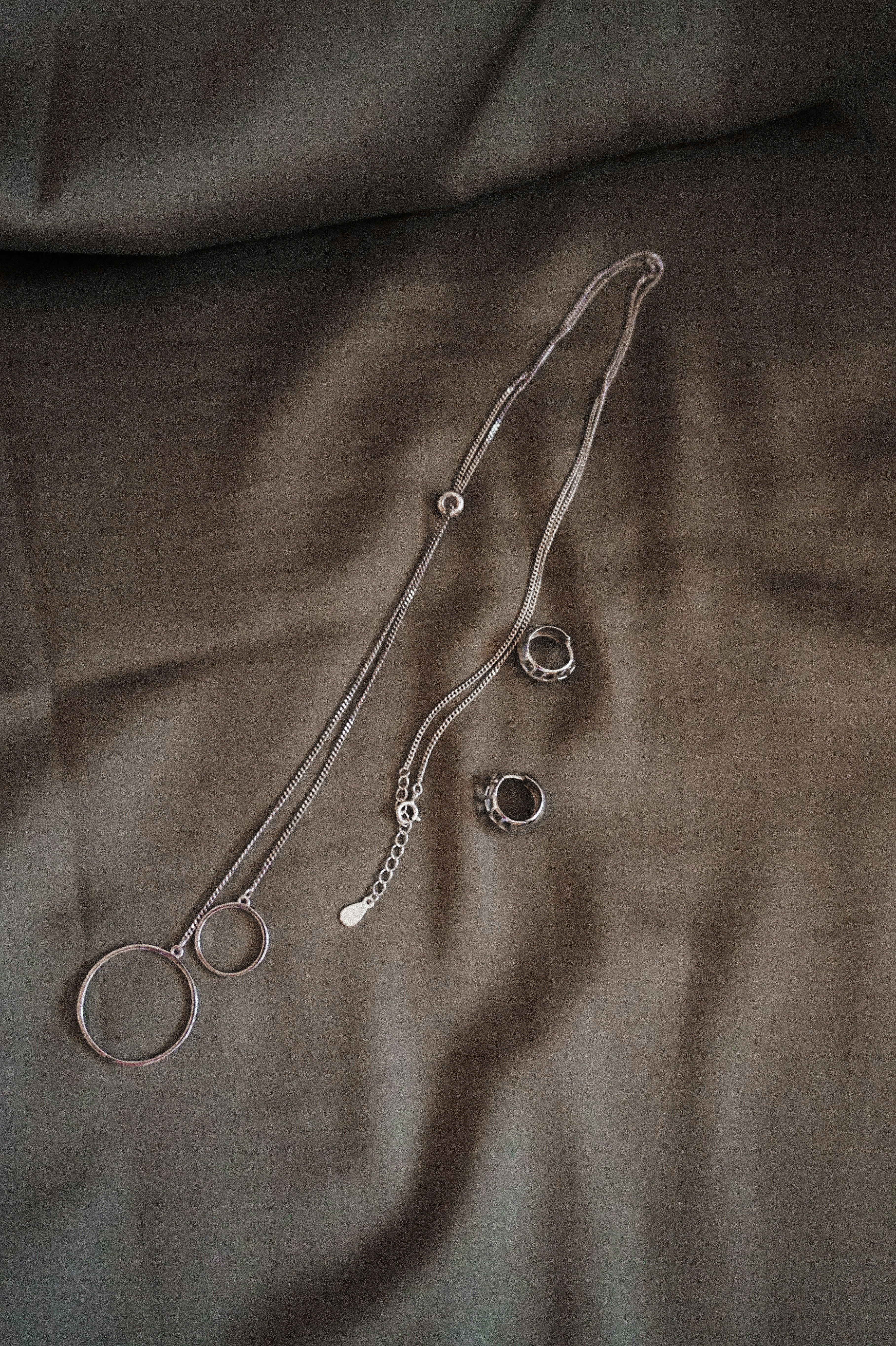
Necklaces can be surprisingly easy to overthink. The neckline of a shirt, the length of the chain, the size of the pendant, and the rest of the jewelry all seem to matter at once. In practice, a simple necklace can be much easier to wear than it first appears.
A plain silver chain works naturally with a T-shirt because it adds a small amount of structure around an otherwise open neckline. With an unbuttoned shirt, a slightly longer chain can fill the space between the collar and the chest without making the outfit look too carefully arranged.
The same idea works with knitwear. A simple pendant against a solid-colored sweater can create a small focal point, particularly when the clothing itself has a relaxed shape. The contrast between the soft fabric and the cooler surface of silver can make the outfit feel more considered without adding another layer.
Necklace length also changes the overall impression. Shorter chains tend to feel cleaner and more understated, while longer necklaces have a more relaxed quality. Neither is automatically better. The right choice usually depends on the neckline and the proportions of the clothes.
A necklace does not need a large pendant to be noticed, either. Sometimes a small shape or subtle texture is enough. This is especially useful when wearing patterned clothing, where a larger pendant might compete with the print.
Layering can work as well, although it does not have to mean wearing several necklaces at once. Two chains with slightly different lengths can create depth, but a single well-chosen necklace can be just as effective. The goal is to make the outfit feel complete rather than to prove how many accessories can be worn together.
This is also where silver’s versatility becomes useful again. A simple chain can move from a casual daytime outfit to an evening look without needing to be replaced. Changing the rest of the clothing can completely alter the mood of the same necklace.
Silver Jewelry Can Take On Different Personalities
Silver does not belong to one particular aesthetic. The same material can feel quiet and refined in one outfit, relaxed and earthy in another, or bold and slightly rebellious somewhere else. Much of that difference comes from the design of the jewelry and what it is worn with.
For a minimalist wardrobe, smooth silver pieces are an easy fit. A narrow chain, simple ring, or small pair of earrings can add just enough detail to an outfit built around neutral colors and clean silhouettes. There is no need to layer several pieces when one carefully chosen accessory already provides the contrast the outfit needs.
A vintage-inspired wardrobe calls for something different. Heavier rings, aged-looking finishes, engraved details, and pieces with a little irregularity can complement denim, leather, textured fabrics, and older silhouettes. Rather than trying to make everything look perfectly coordinated, this kind of styling benefits from a little contrast.
Bohemian and relaxed styles offer another direction. Natural fabrics, loose shirts, woven textures, earthy colors, and layered clothing can work beautifully with silver jewelry that has visible texture. Bracelets and necklaces with a handcrafted appearance tend to feel particularly comfortable in this setting because they echo the imperfect, tactile quality of the clothing.
For a darker or more modern wardrobe, silver can take on an entirely different personality. Black clothing creates a strong background for polished metal, while larger rings, chains, or structured bracelets can give a simple outfit a sharper edge. This is one reason silver has remained popular across different fashion movements. It can be understated when necessary, but it can also carry considerable visual weight.
Even romantic or feminine outfits can benefit from silver. Floral prints, soft fabrics, flowing skirts, and lighter colors do not necessarily need delicate gold accessories. Silver can provide a cooler contrast that keeps the outfit from becoming overly sweet. A simple pendant or pair of earrings can pick up the light without competing with the pattern of the clothing.
There is no rule that says every piece needs to come from the same style family, either. A minimalist necklace can sit comfortably beside a more substantial ring. A vintage-inspired bracelet can work with contemporary clothing. Mixing these elements can make an outfit feel more personal because it reflects how people actually build wardrobes over time.
Personal style rarely arrives as a complete idea. It develops gradually through the things we wear repeatedly and the small choices that begin to feel instinctive. A particular necklace may become part of someone’s everyday look, while a bracelet worn for years can feel almost inseparable from the person wearing it.
That connection is one of the reasons jewelry can feel different from other accessories. It is close to the body, often worn repeatedly, and sometimes carries memories that have nothing to do with fashion. A piece may have been bought during a trip, received as a gift, or simply become a favorite after years of wearing it.
Why Handmade Silver Feels More Personal
There is also something appealing about jewelry that does not look as though it came from a perfectly identical production line. Small variations in texture, shape, finish, or stone can give a piece a sense of individuality. Those details may be subtle, but they can change the way the jewelry feels when it is worn.
Handmade pieces can work particularly well for people who are less interested in having accessories that everyone else already owns. A slightly irregular surface or a distinctive shape can give a bracelet or ring more character without making it difficult to style.
That does not mean handmade jewelry has to look rustic or traditional. Clean shapes and contemporary designs can still be produced with a strong sense of craftsmanship. What matters is the attention given to the details and the feeling that the piece has been made with more than just uniformity in mind.
For anyone looking to explore this approach, handcrafted sterling silver jewelry offers a useful starting point. Pieces with interesting textures, substantial forms, or individual details can sit comfortably between several different aesthetics rather than being tied to one particular trend.
Silver also changes naturally with use. It can develop a different appearance over time depending on how often it is worn and cared for. Some people prefer a bright, polished finish, while others like the character that develops as a piece becomes part of everyday life.
This is one reason a favorite piece can become more meaningful with time. It does not always need to remain perfectly new to remain beautiful. A bracelet that has been worn through countless ordinary days can eventually feel more personal than something that was bought only for a special occasion.
The Jewelry You Actually Reach For
The most useful jewelry is often not the piece that attracts the most attention in a product photograph. It is the one that keeps finding its way back into your wardrobe.
Maybe it is a silver ring that works with almost every jacket you own. Maybe it is a bracelet that feels right with a T-shirt and jeans but still looks good when you dress up. It could be a necklace that has become part of your morning routine without you even thinking about it.
That kind of relationship with jewelry is difficult to create by following trends alone. Trends can introduce new shapes, colors, and ideas, but personal style develops when those ideas are filtered through real life. What works on someone else may not work in your wardrobe, and that is perfectly fine.
Silver happens to make that experimentation easier. It can provide contrast when an outfit feels too plain, texture when it feels too smooth, or simply a small detail that makes familiar clothing feel more like your own. It works with denim and tailoring, soft fabrics and leather, neutral colors and stronger prints.
The pieces that stay with us are usually the ones that do not require too much effort. They become familiar enough to reach for without much thought, yet distinctive enough to make an outfit feel considered.
That may be the real appeal of silver jewelry for everyday style. It does not need a special occasion to make sense. It can simply become part of the way someone dresses every day.