The Brain’s Shortcut to Emotion
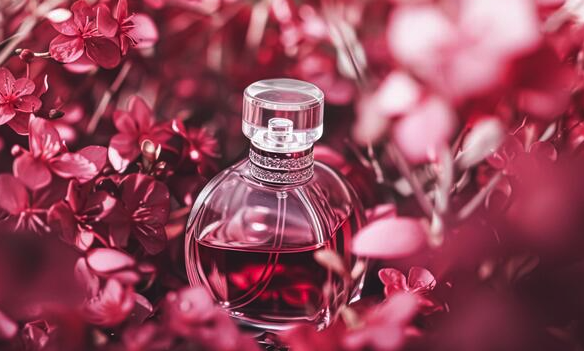
Scent doesn’t just linger in the air—it lingers in your memory. One breath of a familiar perfume can take you back decades, bringing a flood of emotion with it. That’s not poetic exaggeration—it’s how your brain is wired.
Unlike sound or sight, scent bypasses rational processing and goes straight to the limbic system—the brain’s emotional center. That’s why fragrance can trigger emotional reactions before you even realize why. A familiar perfume can unlock nostalgia, joy, longing, or even sadness in seconds.
As more people explore these emotional connections, many are using tools like a perfume subscription to experiment with scent intentionally. Fragrance becomes more than a cosmetic—it becomes a memory marker, a way to capture and revisit life’s most vivid moments.
How Smell Locks in Memory
The olfactory bulb—the part of the brain that detects scent—is directly connected to areas responsible for emotion and long-term memory. That’s unique among the five senses. You don’t just recognize a smell. You feel it.
This is why certain perfumes carry deep emotional weight. A floral note might remind you of your mother. A spicy scent might take you back to a holiday years ago. These associations are powerful, involuntary, and lasting.
Even scents you don’t consciously notice can form emotional imprints. That means the perfume you wear matters—not just for how others perceive you, but for how moments are recorded in your own memory.

Fragrance as Emotional Bookmark
Some people now use fragrance to create “emotional bookmarks” in their lives. A specific scent for a special trip. A different one for major milestones. Others pick one fragrance to mark a new chapter—like moving to a new city or starting a new job.
When you revisit that scent later, it doesn’t just smell familiar—it reactivates the feelings tied to that time. This is memory on a sensory level, layered and nuanced.
And because memory is personal, there’s no right or wrong way to do this. What matters is that the scent means something to you. That’s why small-format access through a perfume subscription is ideal—it lets you attach scent to moments without investing in full bottles for every phase of life.
Emotional Effects of Fragrance in the Present
Scent doesn’t just trigger memories—it also shifts mood in real-time. You can use fragrance to reduce stress, increase alertness, or boost confidence. Some common note effects include:
- Citrus: Uplifting and energizing
- Lavender: Calming and soothing
- Sandalwood: Grounding and meditative
- Jasmine: Romantic and emotionally opening
- Peppermint: Sharpens focus and improves clarity
This is where scent becomes an emotional tool. You can wear fragrance not just for aesthetic reasons, but to support mental and emotional states.
How to Use Scent for Emotional Recall
If you want to create intentional scent memories, start by selecting fragrances that reflect your environment, your energy, and your emotional goals. Then, assign them to specific contexts:
- One fragrance for travel
- One for evenings with loved ones
- One for personal growth moments
- One for relaxation and solitude
The key is repetition. The more you pair a scent with a specific type of experience, the more tightly that association will form in your memory.
You don’t need to wear the same scent every day to be remembered. You need to wear the right scent at the right moments.
Scent Is Personal—So Let It Be
Fragrance isn’t about following trends. It’s about choosing something that resonates. The emotional response is what matters most. Whether you love a scent because it reminds you of your childhood or simply because it calms your nervous system—those reactions are valid.
That’s what makes fragrance so powerful: it’s invisible, but unforgettable.