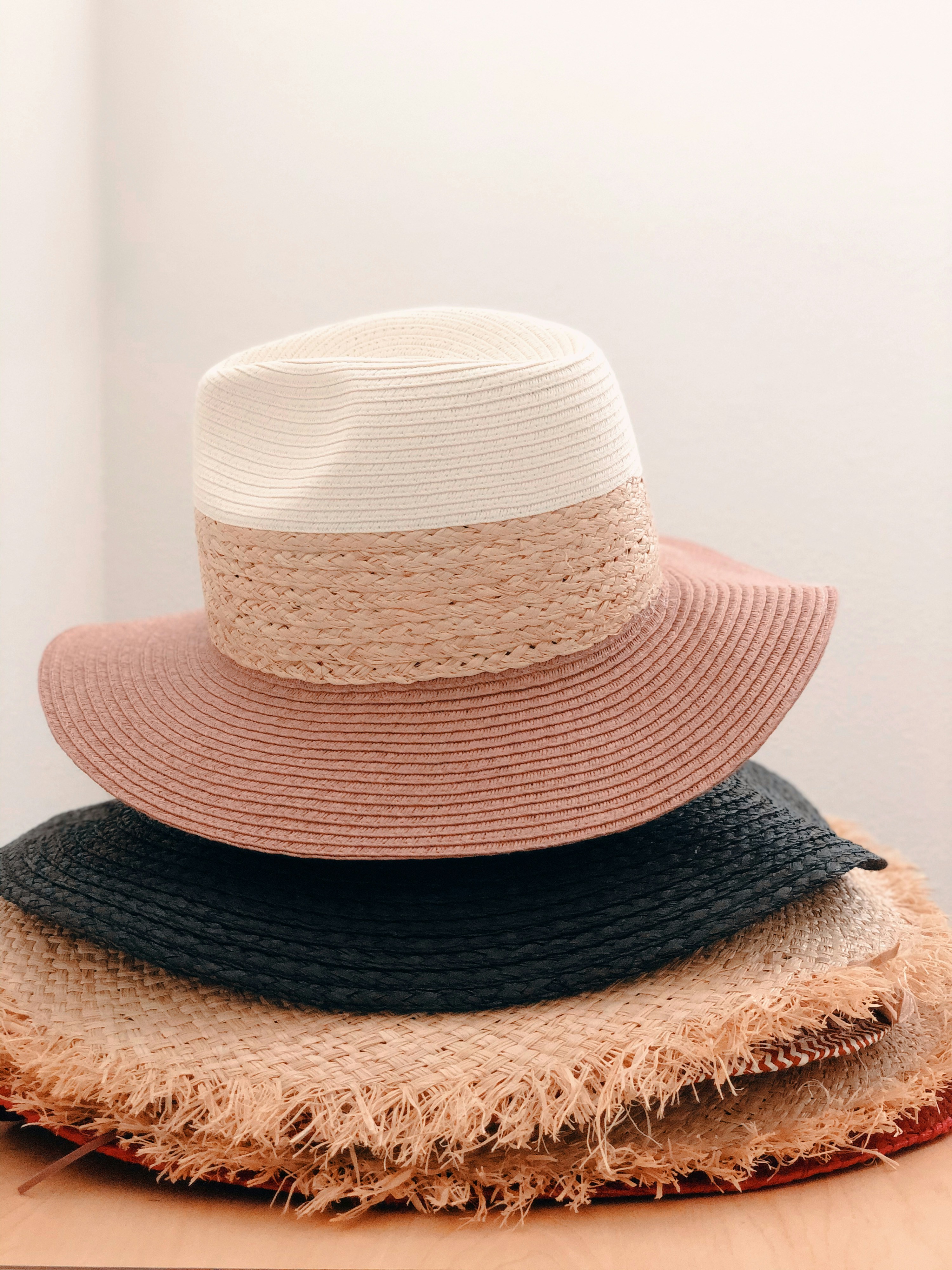
A hat seems like it should be one of the simplest things a person can buy — a shaped piece of material that sits on the head and blocks the sun or the cold. And yet, at the top end of the category, a single hat can take longer to make than a car takes to assemble, priced not for the amount of material used but for the hours of specialized human skill required to shape it. Understanding why starts with two very different crafts that produce two very different kinds of hat: the woven straw Panama and the blocked fur-felt fedora.
Why Hats Resist Mass Production More Than Most Accessories
Unlike a belt or a wallet, a fine hat has to hold a precise three-dimensional shape while remaining light enough to wear comfortably for hours. That combination — structural rigidity plus lightness plus comfort against skin — is much harder to industrialize than it looks. Machine-made hats exist and are perfectly functional, but the finest examples in both major categories, straw and felt, still rely on techniques that have barely changed in over a century, because no machine has matched what a trained pair of hands can do with these particular materials.
Panama Hats: A Craft Measured in Months, Not Hours
Despite the name, genuine Panama hats originate in Ecuador, woven from the fibers of the toquilla palm, Carludovica palmata. The finest examples come specifically from the town of Montecristi, where weavers have refined the technique for generations. What separates a fine Montecristi from an ordinary straw hat is the fineness of the weave, measured in weft threads per square inch — the very best pieces exceed 3,000 knots per square inch, producing a texture closer to fine textile than what most people picture when they hear the word ‘straw.’
The process itself explains the price better than any marketing copy could. Weavers often work at night or in the very early morning, when cooler temperatures and higher humidity keep the straw fibers pliable enough to handle without cracking. A single fine-grade hat can take anywhere from several weeks to as long as six months of continuous, skilled labor, depending on the fineness of the weave being attempted. After the weaving is finished, the piece still needs blocking, trimming, and finishing by separate specialists before it becomes a wearable hat — meaning the weaver’s months of work are only the first stage of the process.
Felt Hats: Where the Craft Happens Before the Shape Does
Fine felt hats, the fedoras and trilbies most associated with classic hatmaking houses, follow an entirely different path to the same level of quality. Rather than weaving a pattern, felt hatmaking starts with fur fibers, typically rabbit or, in the most premium versions, beaver, which are matted together under heat, moisture, and pressure into a single continuous cone of felt with no seams at all. That cone is then stretched, shaped, and blocked over wooden molds by hand to form the crown and brim, a process that determines the hat’s final silhouette long before any trim or ribbon is added.
The quality difference in felt largely comes down to the fur used and the density of the resulting felt. Finer fur fibers pack more tightly and evenly, producing a felt that’s both lighter and more resistant to weather and shape distortion over years of wear — the reason a well-made felt fedora can be steamed and reshaped repeatedly over decades without losing its integrity, while a cheaper felt hat loses its structure permanently after a few seasons.
Trim, Finishing, and the Details That Separate Tiers
Once the base shape exists, whether straw or felt, finishing work adds a final, meaningful layer of cost:
• Hand trimming and edge binding — raw edges are folded, sewn, or bound by hand rather than machine-cut, which affects both appearance and how well the edge holds its shape.
• Grosgrain bands and lining — quality interior sweatbands and ribbon detailing are stitched in by hand on the finest pieces, adding comfort and durability where the hat contacts skin most directly.
• Custom sizing and shaping — made-to-measure hatmaking involves fitting the crown to an individual head shape, a service that adds meaningful labor time compared to standard sizing.
• Color and finishing consistency — achieving an even, unblemished color across a natural material like straw or fur felt requires skill and quality control that mass production often skips.
When Hats Cross Into Collector Territory
Everything above explains why a genuinely well-made hat might cost several hundred dollars, occasionally reaching into the thousands for the finest Montecristi weaves or bespoke felt pieces. But there’s a separate tier entirely disconnected from construction cost, driven instead by rarity, celebrity provenance, or sheer novelty of materials — diamond-encrusted showpieces, hats once owned by cultural icons, or one-of-one couture pieces built more as wearable sculpture than as headwear.
For a look at exactly how far that end of the market goes — including a hat valued in the millions and pieces tied to figures like Andy Warhol and Charlie Chaplin — Original Luxury’s roundup ofthe world’s most expensive hats is worth reading, if only to see just how far the ceiling of this category actually extends beyond craftsmanship alone.
What to Actually Look For When Buying a Quality Hat
For anyone shopping in the realistic, wearable range rather than the auction-house tier, a few checks translate directly to long-term value:
• Feel the weight — a genuinely fine straw or felt hat feels surprisingly light for its structure; excessive weight often signals lower-grade material compensating with bulk.
• Check the weave or felt density under light — held up to a light source, a fine Panama weave shows even, consistent gaps, while a coarser weave shows visible irregularity.
• Inspect the brim edge — a bound or hand-finished edge holds its shape after repeated handling; a raw or cheaply overlocked edge tends to fray or curl within a season.
• Ask where and how it was made — reputable retailers of genuine Panama or fine felt hats can usually speak to origin, weave grade, or felt composition without hesitation, since that story is central to the product’s value.
A hat will always be judged, unfairly or not, as a simple object. But held up to the light, a fine one reveals months of specialized human effort compressed into something that fits in a hatbox — which is a large part of why the best examples cost what they do, and why the very best of the best cost far, far more.